People ask me all the time how I got into food waste, or why this issue matters so much to me.
The truth is that I wanted to work on an environmental problem where I could actually make a difference. I wanted it to be something we could solve, and I wanted it to be something everyone could be part of solving. Food waste is all of those things.
So many of the solutions we need to address climate change happen at a scale that makes it difficult for individuals to be a part of. Yes, we need cleaner energy, more efficient buildings, better transportation, and good public policy, but most of us aren’t making decisions about the electric grid or building codes. Most of us can’t install solar panels, buy an electric vehicle, or change how we get to work.
Food is different because we all interact with it several times a day, which means we all have regular opportunities to make a difference. A parent deciding what to buy for the week, a student putting unopened food on a school share table, a chef deciding how much to prep, or a grocery store donating surplus inventory are all contributing to the same outcome.
Perhaps what has surprised me most, though, is that you don’t have to care about climate change to reduce food waste.
Tell a restaurant owner that reducing food waste lowers greenhouse gas emissions and they may not be interested. Show them how much food they’re buying and never selling, and you’re more likely to get their attention. The same is true at home. Most of us aren’t opening the refrigerator on Tuesday night thinking about methane emissions. We’re thinking about how much we spent at the grocery store and whether we can turn Sunday’s chicken into dinner before it goes bad. Whether you’re thinking about climate change or your grocery bill doesn’t really matter much. Either way, the chicken gets eaten instead of thrown away.
We don’t need millions of people to be motivated by the same thing. One person may want to save money, while another hates throwing away perfectly good food. A chef wants to run a more efficient kitchen. A school wants to get more food to kids. Someone else may be deeply concerned about climate change. All of those motivations can lead to less food being wasted.
That’s especially important given how enormous climate change can feel. Addressing it will require major changes to our energy and transportation systems, buildings, businesses, and public policy. Those solutions are essential, and most of them require action at a scale far beyond any one person. That’s why we also need meaningful ways for people to participate in their everyday lives, including people who may never think of themselves as environmentalists.
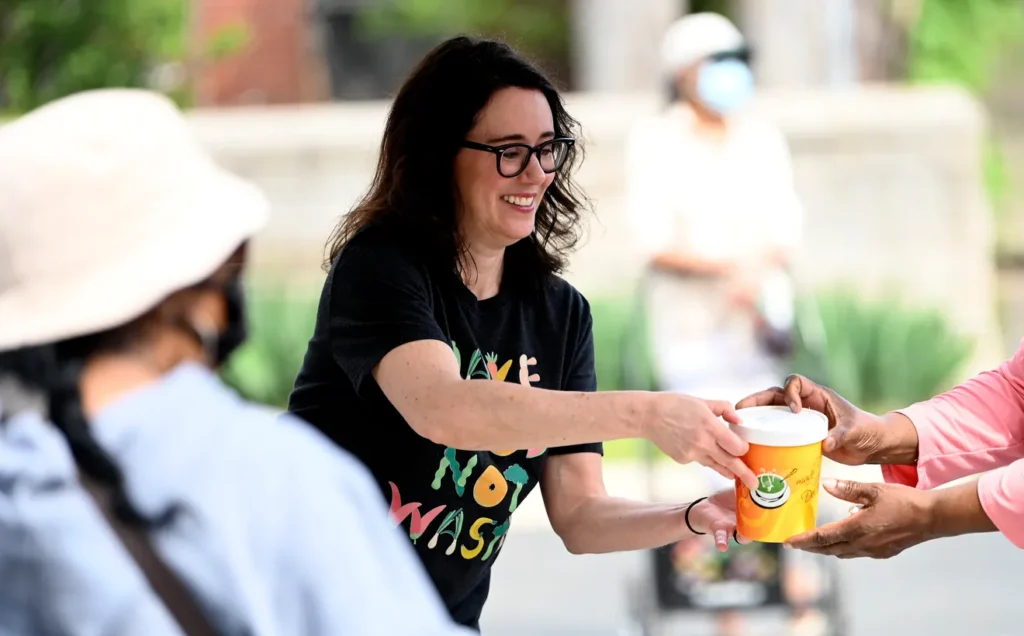
Food waste gives us that opportunity because many of the solutions are already part of our daily lives. We can buy amounts of food that are closer to what we’ll actually eat, make better use of what we already have, get wholesome surplus food to people, and compost what can’t be eaten. And businesses, schools, institutions, and communities can make many of those same decisions at a much larger scale.
That’s ultimately why I’ve stayed so committed to this work. Food waste is a problem we know how to solve, solving it will have a meaningful impact on climate change, and there is a role for everyone in doing it. With so much about climate change feeling overwhelming, I find that incredibly hopeful.