You would think by now I wouldn’t waste one drop of food in my house. But a peek at the doors of my fridge revealed a whole host of semi-used bottles and jars that have been in there for…honestly, I have no idea how long they’ve been in there.
Eventually, I’ll go to use one of them, realize I don’t know how long they’ve been in there, and toss them. What a waste!
If you’re like me, you too have a collection of half-used bottles – ranch, teriyaki, that one hot sauce you bought six months ago because the label looked cool (guilty).You bought it for a recipe and only used a little bit. It got pushed to the back. And, you or someone in your household will get to a point where you too will throw it away. You probably won’t even recycle the packaging because it’s too hard to clean it out.
So together, let’s get a handle on this, shall we?
The Biggest Offenders
Salad Dressings
Creamy dressings, like ranch, Caesar, and blue cheese, are some of the most frequently wasted condiments. They’re often bought with good intentions (“we’re going to eat more salad!”), but are used inconsistently. Because they have shorter shelf lives, they spoil before the bottle is finished.
One-Recipe Sauces
These are the sauces you buy for a single meal like Teriyaki, Hoisin, Curry paste, or marinades. You only needed two tablespoons but now you have fourteen ounces left.
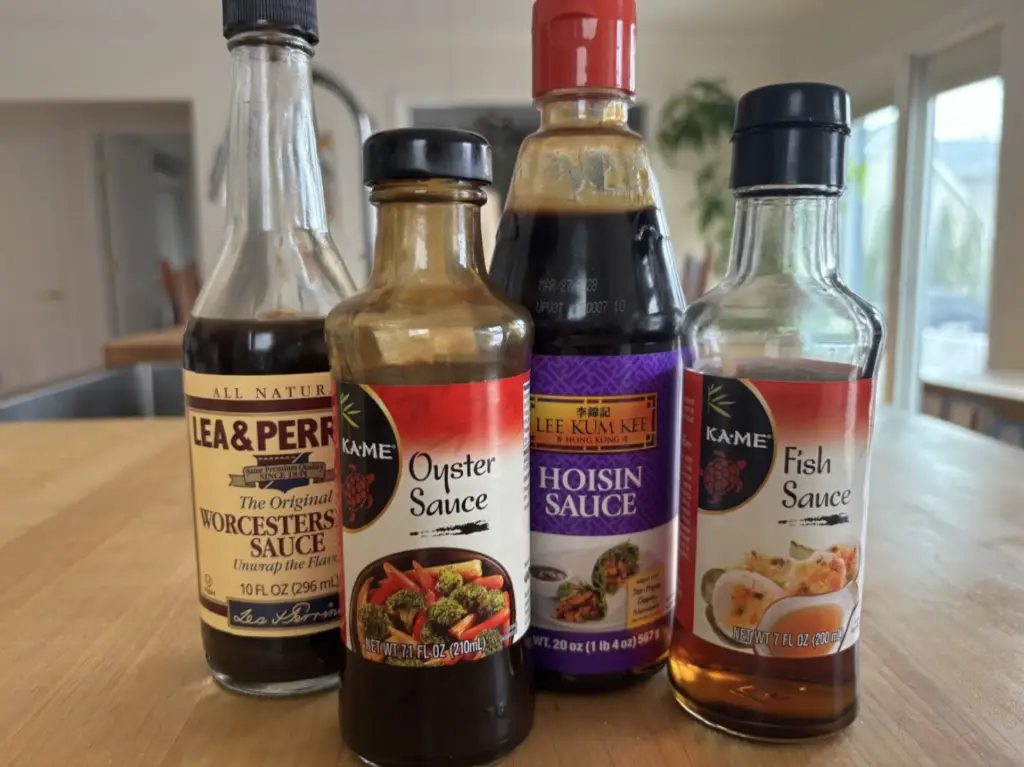
Duplicate Staples
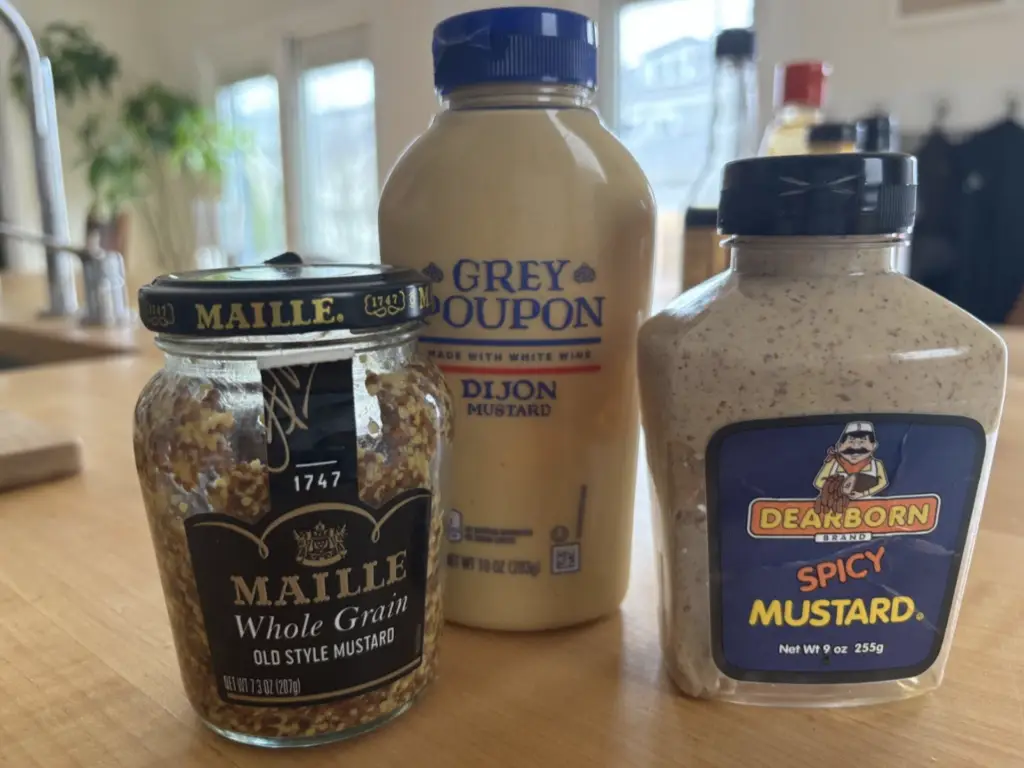
Ketchup. Mayo. BBQ sauce. Individually, they last a long time. But most of us end up with multiple versions (like my mustards).
“Aspirational” Condiments
This is my weak spot. Hot sauces. Chili oil. Harissa. These are the condiments we buy because it’s the kind of cooking we want to do, but don’t do often enough.
How Long Do Condiments Actually Last?
Like I said, I know I’ll throw a lot of these away because I can’t remember when I bought it. But there’s also a range in how long condiments last. Here’s a simple framework:
Long-lasting (6–12+ months)
Ketchup
Mustard
Soy sauce
Hot sauce
Vinegar-based dressings
Medium shelf life (2–6 months)
Mayonnaise
BBQ sauce
Teriyaki and stir-fry sauces
Short shelf life (1–2 months)
Ranch, Caesar, creamy dressings
Open pesto (often shorter)
Very short (days to weeks)
Homemade sauces
Yogurt-based sauces
Fresh herb dressings
The One Change You Can Make
If you do nothing else, write the open date on the bottle. Just a small “3/22” with a marker (ok, maybe the year too), will help you down the road.
Even Better – Avoid the Bottles
When you go to buy a condiment, ask yourself if you can use it in three different meals in the next 10 days. If you can’t, skip it. (Admit it, you’ll end up skipping just about all of them, won’t you). Instead, learn how you can add flavor with more frequently used ingredients.
Most sauces can be created from a few core elements:
- Fat (olive oil, yogurt, butter)
- Acid (lemon, vinegar)
- Salt/umami (salt, soy sauce, cheese)
- Aromatics (garlic, spices)
With these, you can make dressings, marinades, and sauces in minutes—without committing to a full bottle you may not use again.
But how?
You can make almost any sauce with those four building blocks. The default ratio is:
- 3 parts Fat
- 1 part Acid
- Salt/umami to taste
- Aromatics for flavor identity
In practice, basic sauces look like this:
Everyday Dressing: Olive oil + lemon + salt, add mustard or honey if needed
Creamy Sauce: Yogurt/mayo + lemon + garlic + salt, add herbs to make it ranch/tzatziki flavored
“Asian” Sauce: Soy sauce + oil + vinegar/lime, garlic + ginger, add honey/chili if needed
Spicy Sauce: Oil or yogurt + lime, chili + garlic + salt, add cumin/paprika
And to fix it if it doesn’t taste great:
Bland–add salt/umami
Heavy–add acid
Too sharp–add fat
Flat–add aromatics
Too strong–dilute (water/fat)
So let’s try this together. I’ll work on cutting my condiment waste. And if you do too, let me know how it goes!