Not everyone gets it. Some are openly against it. Others are afraid of it. It’s 2026, and for nine years we’ve heard it all. This is never going to work. It’s too expensive. No one has time to do it. It needs to be easy. It needs to be free. The rich don’t care. The poor have more important things to deal with. What about the rats?
We’ve made the case in all sorts of settings with all sorts of people. Meetings with business owners, phone calls with county commissioners, presentations to school principals, conferences for sustainability professionals, short talks at churches, videos for social media users, grant applications for philanthropic foundations, and forums for the public.
We meet. We pitch. We explain. We wait. Most of the time it goes nowhere. But it’s a numbers game. The more people who hear what we and our partners have to say, the more people who agree. And the more people that agree, the more change we see.
Admittedly, it has gotten easier as the flywheel starts to turn. It’s becoming harder to ignore the fact that food is expensive, that there are too many people facing food insecurity, and that our weather is way too extreme. Home cooks are searching online for ways to save money. Residents learn that neighboring towns are offering services to their residents and want the same. Michigan counties, required to write new Materials Management Plans, are asking for help.
In 2025, we saw the greatest number of Michiganders agreeing that burying food doesn’t make sense anymore and the most projects taking shape. Food scrap drop off programs are in places like Ferndale, Royal Oak, Farmington, Eastpointe, Southfield, Madison Heights, St. Clair Shores, and Canton. Southeast Michigan counties we’ve talked to – Wayne, Oakland, Washtenaw, and Livingston – are excited to put food waste reduction in their new plans. Students at schools like Hayes Elementary, Gesu, and Canton High School are cutting food waste in the cafeteria. The Detroit Produce Terminal figured out how to reroute 12 million pounds of wholesome fresh fruit and vegetables away from the landfill to food pantries. And 225 people joined the MI 2030 Food Waste Coalition.
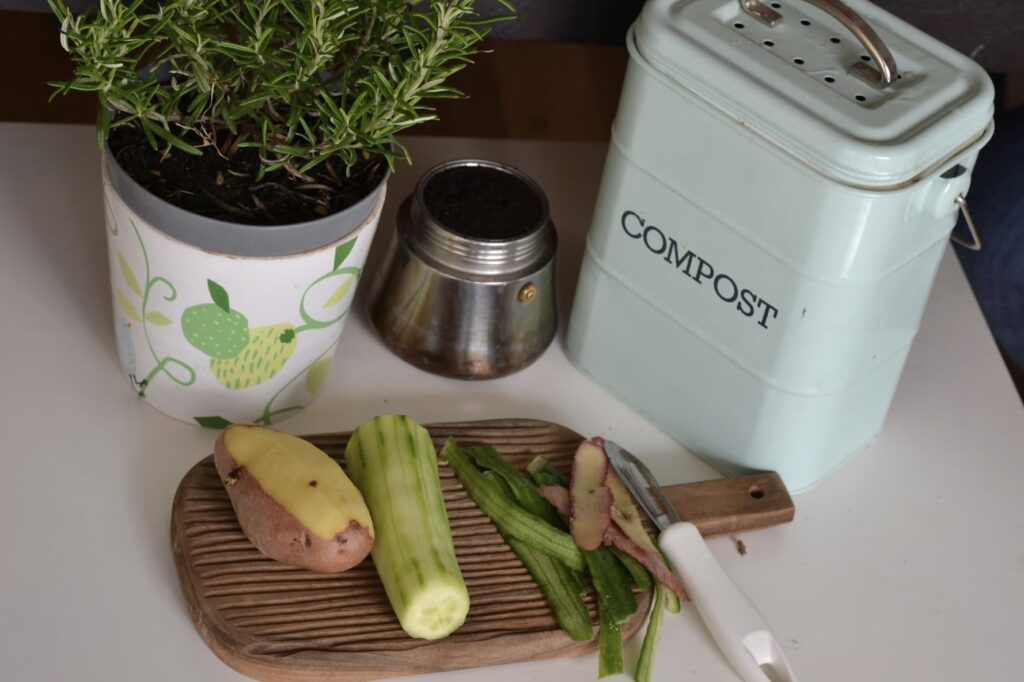
The wave is building. We know we will hear more “yeses” than “nos” in 2026. More cities and towns will replenish soil by picking up food scraps. More businesses will save money by keeping knives sharp and refrigerators serviced. More home cooks will turn last night’s leftovers into tonight’s next great meal.
We’re here for it. And we’re happy you’re here with us. Be part of this wave: learn how you can keep your own food out of landfills, ask your local restaurant to donate their surplus food, or start a campaign at your kid’s school. Our Ambassador Guides will show you how.
Worried about rats? Don’t be. Give us a call – we’ll tell you why.